

Learn more about our appointment options, locations, referrals, and resources that are at your disposal.

Advanced Heart Failure, Transplant, and Pulmonary Hypertension Division
About the Advanced Heart Failure, Transplant, and Pulmonary Hypertension Division
When facing advanced heart failure, a potential transplant, or pulmonary hypertension, you want treatment and care plans that are created and tailored to your unique needs. That’s what AHN delivers. Our expert team has dedicated their careers to treating, supporting, and caring for individuals who are navigating complex heart conditions.
Your care team will consist of specialists who make up AHN’s Advanced Heart Failure, Transplant, and Pulmonary Hypertension Division, treating all forms of congestive heart failure. We have a multidisciplinary approach to heart failure and pulmonary care. We were the first in western Pennsylvania accredited by the Pulmonary Hypertension Association as a Center for Comprehensive Care*, and are now one of only two in Western Pennsylvania with this certification.
When you choose care from AHN, you’ll experience cutting-edge therapies for congestive heart failure including medication and therapies, as well as heart replacement transplants. Other treatment options:
Appointments
Advanced Heart Failure, Transplant, and Pulmonary Hypertension Division
- Our pulmonary hypertension treatment includes combinations of oral medications, IV infusional therapy and advanced Chronic Thromboembolic Pulmonary Hypertension (CTEPH) treatments such as balloon pulmonary angioplasty and pulmonary thromboendarterectomy.
- Mechanical circularity support systems to treat cardiogenic shock.
- Medical and interventional therapy for hypertrophic cardiomyopathy (HCM) including alcohol septal ablation and surgical septal myectomy.
- Medical therapies and diagnostic evaluation for cardiac amyloidosis and sarcoidosis.
- Clinical trial options for access to the most cutting-edge therapies in heart failure and pulmonary hypertension for those eligible.
Our programs
The dedicated cardiovascular programs are designed to meet the needs of all patients experiencing heart-related conditions and diseases. Each program is focused on its specific area, so the care is tailored to the specific condition or disease. This allows for greater personalization and treatment options for each patient.
Heart Failure Program
Our Heart Failure Program provides ongoing care to relieve symptoms and delay heart failure disease progression. We also provide pre- and post-surgical care for people who undergo heart surgery, get mechanical circulatory support devices, or receive a heart transplant.
Heart Transplant Program
Our Heart Transplant Program team guides patients through a process that often exceeds national standards with shorter wait list times, a higher percentage of heart transplants for patients on our wait list, and excellent pre- and post-transplant survival rates.
Pulmonary Hypertension Program
Our Pulmonary Hypertension Program expertsknow the correct steps to properly diagnose and treat various associated and related conditions. We recognize the importance of medication, exercise, diet, and other therapies to manage pulmonary hypertension and right-sided congestive heart failure. We are accredited by the Pulmonary Hypertension Association Center for Comprehensive Care.
Advanced care
If you’re living with advanced heart failure, you deserve the specialized medical expertise and treatment found at AHN. Our experienced cardiologists and heart failure specialists are dedicated to diagnosing, treating, and managing complex heart conditions using advanced diagnostics and state-of-the-art imaging. This, plus AHN’s focus on care coordination and a multidisciplinary approach, can make a difference in your health outcomes.
Advanced heart failure treatment
Heart failure, sometimes known as congestive heart failure, is a chronic, progressive condition in which the heart muscle is unable to pump enough blood to meet the body's needs for blood and oxygen. It doesn't mean that the heart has stopped working entirely, but rather that it's not working as efficiently as it should. Depending on the severity of your condition, your doctor may recommend one or more of the following:
- A number of medications can relieve symptoms, improve heart function, and slow disease progression in heart failure.
- Heart support devices including heart rhythm devices, heart failure devices, mechanical circulatory support, and extracorporeal membrane oxygenation (ECMO).
- Heart surgeries include heart valve surgery, minimally invasive bypass surgery, and heart transplants.
How long can you live with heart failure without treatment?
The progression and severity of heart failure without treatment can vary greatly depending on individual factors such as the underlying cause, the stage of heart failure, and the patient’s overall health. However, heart failure, if left untreated, is a progressive condition associated with a risk of frequent hospitalizations and, ultimately, early mortality.
How long can you live with heart failure with treatment?
With appropriate and consistent treatment, many individuals with heart failure can live for many years, often a decade or more, and some even several decades. The goal of treatment is not just to extend life, but also to improve quality of life by reducing symptoms and preventing hospitalizations.
Does a heart transplant cure heart failure?
A heart transplant does not cure heart failure because patients continue to require careful follow-up, evaluation, and immunosuppressant medications after their heart transplant to prevent rejection of the transplanted heart. However, a heart transplant can lead people to living a relatively normal life, going back to work, and returning to the things that they could not do when they had congestive heart failure. AHN’s heart transplant surgery center is dedicated to those patients who may need this procedure.
Advanced pulmonary hypertension treatment
Pulmonary hypertension (PH) is a type of high blood pressure that affects the arteries in your lungs and the right side of your heart. In PH, the small arteries in your lungs, called pulmonary arteries, and capillaries become narrowed, blocked, or destroyed. This makes it harder for blood to flow through your lungs, and it increases the pressure within the arteries. As a result, the right side of your heart has to work harder to pump blood through the lungs, which can eventually weaken the heart muscle.
Our physicians offer the most advanced PH treatments available, including drug therapies still in clinical trial phase. Your treatment depends on the PH type and may include:
- Specialized medicines for PH, which may include pulmonary blood vessel vasodilators, high-dose calcium blockers, digoxin, and diuretics.
- Oxygen therapy
- Treatments for structural heart disease and heart valve disease
How long can you live with pulmonary hypertension without treatment?
Untreated pulmonary hypertension can significantly impact life expectancy. While it's difficult to give an exact time frame as it varies greatly depending on the individual, the underlying cause, and the severity of the condition, historically, the prognosis for untreated pulmonary hypertension has been poor, often measured in a few years from diagnosis.
However, it's crucial to understand that advancements in treatment have dramatically improved outcomes for individuals with pulmonary hypertension. Early diagnosis and consistent treatment can significantly extend and improve the quality of life.
Advanced heart condition specialists
Our team of advanced heart condition specialists are highly trained and experienced in the complexities that can occur with heart failure. Their supportive and comprehensive approach ensures you have access to the tailored treatment plan you need with access to additional emotional and nutritional support, if needed. Our heart transplant program is led by:

Chair, Cardiovascular Institute, Chair, Dept. of Thoracic and Cardiovascular Surgery

Akshay Khandelwal, MD, MBS, FACC, FSCAI
Chair, Department of Cardiovascular Medicine
The team includes:
Cardiac surgeons

Co-Director, Aortic Surgery Clinic

Surgical Director, CTEPH Program
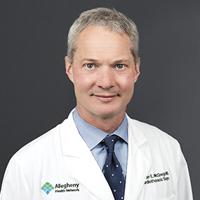
Director, Division of Cardiac Surgery, Director, Robotic Heart Surgery

Surgical Director, Heart Transplant Program
Cardiologists
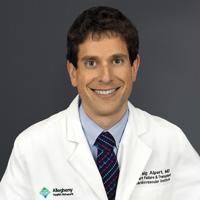
Director, Amyloidosis and Hypertrophic Cardiomyopathy Clinic

Director, Heart Failure Care Model

Director, Heart Failure Fellowship Program
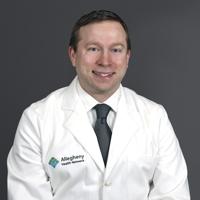
Director, Mechanical Circulatory Support Program

Regional Medical Director, CVI East
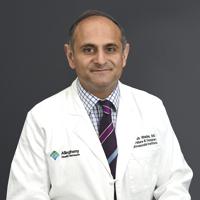
Co-Director, Division of Heart Failure
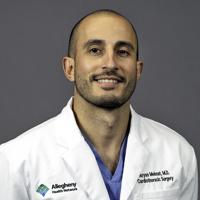
Cardiac Surgery & Cardiothoracic Surgery
How to get care
If you have already been diagnosed with heart failure or pulmonary hypertension, call 412-359-3551 or email tracey.ater@ahn.org to connect with Tracey Ater, the AHN Heart Failure Program practice manager.
If you do not have a current end stage heart failure diagnosis but are concerned about your heart health, you can make an appointment with your primary care provider (PCP) to talk about your concerns and next steps. To get started, call (412) DOCTORS 412-362-8677 to schedule your appointment. If you do not have a PCP, you can find one near you and schedule an appointment to talk through your options.
If you’re diagnosed with heart failure and are seeking specialized care or a second opinion for your condition, call 412-359-3551 or email tracey.ater@ahn.org to connect with Tracey Ater, the AHN Heart Failure Program practice manager.
Pulmonary Hypertension Program locations
From testing to treatment plans, the AHN Pulmonary Hypertension Program provides quality care for patients at the following locations:
Allegheny General Hospital
320 East North Avenue
Pittsburgh, PA 15212
GET DIRECTIONS
Wexford Health + Wellness Pavilion
12311 Perry Highway
Wexford, PA 15090
GET DIRECTIONS
Forbes Hospital
2570 Haymaker Road
Monroeville, PA 15146
GET DIRECTIONS
Jefferson Hospital
565 Coal Valley Road
Jefferson Hills, PA 15025
GET DIRECTIONS
AHN Grove City
631 N. Broad Street Ext.
Grove City, PA 16127
GET DIRECTIONS
Heart transplant program appointments
The AHN Heart Transplant Program offers appointments for those who have a heart failure diagnosis, including end stage heart failure, or are looking for a second opinion.
To get started, call (412) DOCTORS 412-362-8677 to make an appointment with our advanced heart failure cardiologists.
Learn what to expect at your appointment based on your specific situation.
Diagnosed with heart failure
Our team will provide a comprehensive evaluation and discuss your treatment options, including medical management, mechanical heart pump, or heart transplant.
Diagnosed with end stage heart failure
In addition to evaluating your condition and discussing your treatment options, a specialized nurse coordinator will work with you and your caregiver(s) to complete testing, discuss results, and help you navigate the process.
Looking for a second opinion
If you have been diagnosed with heart failure and are looking for a second opinion, we’ll work with you to evaluate your condition and discuss your treatment options. Even if you are on the heart transplant list with another hospital, we may be able to help you by adding you to our list.
Preparing for heart transplant surgery
if heart transplant surgery is the right treatment option for you, we will add you to the national transplant wait list. While you wait for an appropriate match, our transplant nurse coordinator will work with you on your overall health and connect you with our surgeons, cardiologists, nurses, social workers, financial coordinators, dietitians, and supportive care as needed.
We center our patient care around you and your caregiver(s) and are always available to answer any questions you have throughout the process.
If your health changes, we will adjust your status on the wait list. When a heart becomes available for your transplant, your transplant nurse coordinator will contact you and help you through each step of your heart transplant.
After your transplant and throughout your recovery, our team will continue to monitor your health and work with you every step of the way.
Clinical trials and research
We have a robust clinical trial program including studies for:
- Advanced heart failure: We are currently participating in the CORCINCH-HF study of the AccuCinch Ventricular Restoration System for patients with symptomatic chronic heart failure, which seeks to restore the geometry and structure of the left ventricle without the need for an open-heart surgery.
- Heart failure with preserved ejection fraction: We are participating in the RESPONDER-HF trial of the Corvia Atrial shunt in patients with symptomatic left-sided heart failure and elevated filling pressures.
- Pulmonary hypertension: We are participating in LEVEL, a randomized trial of oral levosimendan in patients with heart failure and preserved ejection fraction with secondary pulmonary hypertension.
What is a clinical trial?
Clinical trials are studies that try to answer questions about new ways to treat heart disease including medications, interventional therapies or surgical techniques. You participate in a clinical trial only if you volunteer to do so and meet criteria for inclusion in the study, and you can stop participating in a trial at any time.
Who can join a clinical trial?
The plan for the trial, called a protocol, explains what the trial will do and how the study will be done. Based on the questions the research is trying to answer, each clinical trial protocol outlines specific criteria necessary to be eligible to join the trial.
Common criteria for entering a trial are:
- Having a certain type of disease.
- Having received a certain kind of therapy in the past.
- Being in a certain age group.
- Federal rules help ensure that clinical trials are run in an ethical manner, with your rights and safety protected. It’s to ensure that you’re not put at increased risk by participating in the trial, and that the results of the study are accurate and meaningful.
Currently active clinical trials
If you would like to participate in a clinical trial and help our innovative team discover groundbreaking heart disease treatments, ask your doctor if you’re eligible to participate in one. Find currently active clinical trials that are open for participation.
Refer your patient to an AHN specialist
There are two ways for medical professionals, who are not a part of Allegheny Health Network, to refer their patients to an AHN specialist and request their first appointment. You can:
- Call (412) DOCTORS 412-362-8677.
- Go to Find Care to find the right AHN specialist and the most convenient location. Then refer your patient, provide relevant patient details, and request an appointment directly from the doctor's profile.
For more information about referring your patient to an AHN specialist, read the Independent Physician Referral FAQs.
After referring your patient
Once your patient is receiving care from an AHN specialist, you can view their test results, see their treatment plan, follow their treatment progress, and collaborate with our team using the EpicCare® Link™ platform.
If you are new to EpicCare Link, or need to request your own EpicCare Link account, read: EpicCare Link for Patient Follow-up, for user instructions and new account request forms.
When EpicCare Link is not an option for a patient's AHN medical records
If you can’t access your patient's AHN test results through the EpicCare Link platform, your patient will need to complete and submit the correct AHN Medical Records Release form, based on their state of residency. Support your patient’s request by downloading the correct medical records release form for them:
AHN Medical Records Release Form for New York state residents
EpicCare® is a registered trademark of Epic Systems Corporation and used with permission.
EpicCare® Link™ is a trademark of Epic Systems Corporation and used with permission.