

Learn more about our appointment options, second opinions, locations, referrals, and resources that are at your disposal.

AHN Stroke Centers
About the AHN Stroke Centers
The AHN Stroke Program and the AHN Stroke Centers provide rapid, comprehensive care for patients experiencing a stroke or transient ischemic attack (mini stroke). The multidisciplinary team of experts uses the latest advancements in stroke treatment and rehabilitation to help patients achieve the best possible health outcomes and potential recovery from the effects of a stroke.
Our team of fellowship-trained neurocritical care doctors uses the latest treatments for patients who have complex neurological illnesses and intensive care. This means you can access state-of-the art care from experts in neuroscience and neurological care while also seeking comprehensive rehabilitation care for a complementary treatment approach. Our experts also focus on neuroscience research that explores new diagnostic tools, medications, and surgical advancements for strokes.
-
Appointments
Neuroscience InstituteNew PatientsExisting Patients
Certified for expert care
All AHN Stroke Center locations are throughout Western Pennsylvania and have received advanced stroke center certifications by The Joint Commission, designations that recognize the top-level care we provide for even the most complex stroke conditions. The Joint Commission is the oldest and largest healthcare accrediting body in the United States and is an independent entity that ensures healthcare providers deliver high-quality, safe care for their patients. Our Joint Commission-certified stroke centers offer two levels of advanced care for patients experiencing stroke.
AHN Stroke Centers have a dedicated stroke treatment program staffed by stroke specialists. They work together to create individualized treatment programs for each patient, including making sure each patient has the continuing care they may need after they’re able to leave the hospital.
Comprehensive Stroke Center at AHN
Our Comprehensive Stroke Center is located Allegheny General Hospital. It offers more specialized care for patients with complex stroke conditions. Stroke treatment capabilities here include 24/7 access to:
- The most advanced imaging techniques
- Minimally invasive and traditional surgical procedures by dedicated experts
- Specialized neurocritical care units
Patients experiencing a severe or complex stroke are often transported by AHN LifeFlight® emergency services* from a Primary Stroke Center to the Comprehensive Stroke Center for more intensive treatment.
Stroke FAQs
When a patient is at increased risk for stroke or has experienced a stroke, questions abound. At AHN, we are here to help. Understanding the warning signs of stroke, the type of care needed during and after stroke, and what recovery may look like can help patients and their families feel more confident in their care planning and treatment. Your dedicated care team is available to answer your questions, but we’ve also included some of our patients’ most frequently asked questions that can help you prepare for conversations with your team.
What type of care do stroke patients need?
Stroke patients require a personalized, comprehensive, and multidisciplinary approach to care, often categorized into several phases. The specific type of care needed can vary greatly depending on the severity of the stroke, the area of the brain affected, and the individual's overall health. Stroke patients are often seen in the emergency room or specialized stroke center after symptoms first begin. The primary goal there is to stop the stroke’s progression, minimize brain damage and stabilize the patient.
From there, endovascular procedures and medications can be delivered. And the patient will be monitored, so the care team can get a full picture of the individual’s vitals. Once stable, the patient will receive a personalized treatment and rehabilitation plan that is focused on their specific needs. This can include physical therapy, occupational therapy, speech-language pathology, and patient and family education.
What is the recovery time for a stroke?
Everyone’s recovery time will look different. Generally, the most significant recovery typically occurs in the first three to six months after a stroke. During this period, the brain is most plastic and capable of reorganizing itself. Recovery can, and often does, continue for up to one to two years after the stroke, though at a slower pace. Some individuals may even experience minor improvements beyond this time frame, particularly with consistent therapy and effort.
There are factors that affect recovery time, and those include stroke severity, location of the stroke, patient age, overall health before the stoke, rehabilitation timeline and intensity, and the patient’s motivation and support system.
At AHN, we take this all into account to provide our patients with tailored options and support that will aid them in their recovery process.
What helps stroke recovery?
There are several things that can help with stroke recovery and they all work in tandem. Factors that help with stroke recovery include:
- Early and aggressive treatment:
- Thrombolytics (tPA/TNK) or thrombectomy: For ischemic strokes, these treatments administered quickly can dissolve clots or remove them, minimizing brain damage and improving recovery potential.
- Management of complications: Preventing and treating issues like brain swelling, infections, seizures, blood clots, and bedsores are crucial.
- Blood pressure and glucose control: Maintaining stable blood pressure and blood sugar levels helps prevent further damage and supports healing.
- Medication management:
- Antiplatelets or anticoagulants: To prevent future clots (e.g., aspirin, clopidogrel, warfarin).
- Blood pressure medications: To control hypertension, a major stroke risk factor.
- Cholesterol-lowering drugs (statins): To reduce plaque buildup in arteries.
- Antidepressants/anxiolytics: To manage post-stroke depression or anxiety, which can hinder recovery.
- Rehabilitation therapies: Rehabilitation is the most critical component of long-term recovery and is ideally started as soon as the patient is medically stable. A multidisciplinary team works together.
- Physical therapy (PT): Improves gross motor skills, strength, balance, coordination, and mobility.
- Occupational therapy (OT): Addresses communication, swallowing, and cognitive issues.
- Recreational therapy: This helps patients relearn and engage with lifestyle activities that can support recovery. Adaptive sports, creative arts, and social outings are all examples of recreational therapy.
- Lifestyle and support: Engaging in a healthy lifestyle that includes regular exercise, a healthy diet, no tobacco and limited alcohol intake can be helpful in stroke recovery. Also, having a support system of family, friends, or others who have navigated a stroke can be helpful.
What are good signs of stroke recovery?
Good signs of stroke recovery include the gradual return of movement and sensation, such as being able to lift an arm or feel a light touch. Improvements in communication abilities, like finding the right words or understanding conversations better, are also positive indicators. Enhanced cognitive functions, such as improved memory, focus, and problem-solving skills, demonstrate brain healing. Additionally, regaining independence in daily tasks like eating, dressing, or walking without assistance signifies significant progress in rehabilitation. Overall, any consistent improvement in physical, cognitive, or emotional function, no matter how small, is a good sign of recovery.
Do people recover from strokes?
Yes, people absolutely recover from strokes, although the extent and nature of that recovery can vary significantly. Many individuals experience substantial recovery, regaining much of their lost function and independence. However, it's more accurate to describe stroke recovery as a journey of rehabilitation and adaptation rather than a complete return to pre-stroke status for everyone. While some may achieve a near-complete recovery, others learn to live fulfilling lives by adapting to new challenges and maximizing their remaining abilities.
*
LifeFlight is a trademark of Memorial Herman Hospital System, Inc. and is used under license.
AHN Stroke Center treatment and recovery
A stroke occurs when blood flow to a part of the brain is interrupted or reduced, depriving brain tissue of oxygen and nutrients. This can cause brain cells to die within minutes. Most strokes are ischemic strokes, caused by a blockage in a blood vessel supplying the brain. Less commonly, strokes can be hemorrhagic strokes, which occur when a blood vessel in the brain ruptures and bleeds.
Knowing about stroke warning signs and treatment is crucial to minimize brain damage and improve recovery, regardless of the type of stroke. When seeking care for in the event of a stroke, patients often look for the difference AHN offers and includes:
- Nationally recognized excellence: AHN hospitals are consistently recognized for their high standards in stroke care, demonstrating our commitment to quality and patient safety.
- Rapid response system: Time is critical in stroke treatment. Our emergency medical services and hospital teams are trained to quickly identify stroke symptoms and initiate immediate, lifesaving interventions.
- Multidisciplinary team approach: Your care team includes neurologists, neurosurgeons, emergency medicine physicians, neuroradiologists, critical care specialists, rehabilitation therapists, nurses, social workers, and stroke navigators all collaborating to provide personalized care.
- Patient and family education: We believe in empowering patients and their families with knowledge about stroke prevention, recovery, and ongoing management.
Advanced treatment options
The AHN Stroke Centers offer advanced treatment options that offer integrative approaches focused on the different aspects of a stroke. These treatment options often include:
- Thrombolytic therapy (tPA or TNK): A medication that can dissolve blood clots causing ischemic strokes, when administered within a specific time frame.
- Endovascular procedures: Minimally invasive techniques performed from inside blood vessels, such as mechanical thrombectomy to remove large blood clots for ischemic strokes. Our experts also utilize advanced endovascular coiling and embolization techniques to treat brain aneurysms and other hemorrhagic diseases, preventing or stopping bleeding in the brain.
- Neurosurgical interventions: For specific types of stroke, our neurosurgeons are equipped to perform complex procedures.
- Comprehensive rehabilitation: Our dedicated rehabilitation specialists, including physical therapists, occupational therapists, and speech-language pathologists, work closely with patients to regain lost function and improve their quality of life. Rehabilitation begins early in the recovery process and continues as needed.
Stages of recovery after stroke
Stroke recovery looks different for each person. Everyone will go at their own pace with the help of your AHN care team who will help you navigate your personalized treatment. However, there are general stages of recovery most people experience.
Right after the stroke
The first few hours and through the initial days after the stroke are the emergency stage when doctors work quickly to save lives and prevent more harm. Nurses and doctors constantly check the person's body and brain to make sure no new problems come up (like swelling or seizures. As soon as it's safe, caregivers help the person move a little bit, or change their position in bed. This helps stop problems like bedsores or stiff muscles.
Getting stronger
Patients make the biggest improvements during the first few weeks to months after their stroke. They work hard in special therapy programs. Many people move to a special hospital just for rehab. There, they get hours of therapy each day, focusing on:
- Physical therapy (PT): This is used to get strength, balance, and walking back after a stroke.
- Occupational therapy (OT): OT is an important step that aids in relearning daily tasks like dressing, eating, and other hand skills.
- Speech therapy (SLP): Post-stroke, patients often need assistance with talking, understanding, swallowing, and thinking skills.
- Brain healing: The brain starts to heal itself, swelling goes down, and other parts of the brain try to take over what was damaged. This natural healing often slows down after about three to six months.
Long-term recovery
Getting better keeps going for months or possibly years after the intense therapy. This stage often involves ongoing therapy and learning new ways to do things, like using a walker or getting back to hobbies.
For stroke recovery, it's important to start therapy early, practice often, and have good support from family and doctors. Setting personal goals for what you want to achieve also makes a big difference.
AHN Stroke Center specialists
The AHN Stroke Center’s team of dedicated neurologists, doctors, specialized healthcare providers, and rehabilitation experts are focused on providing the most advanced and comprehensive care for our patients.
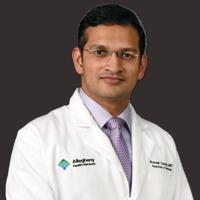
Neurology, Interventional Neuroradiology, Vascular Neurology
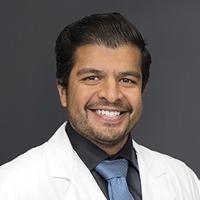
Neurology, Stroke

Stroke, Neurology
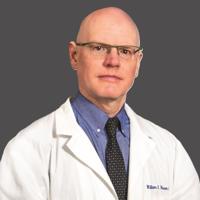
Neurology, Stroke, Vascular Neurology

Stroke

Stroke

Stroke
How to get care
If you want to get tested for or have been diagnosed with a stroke, we’re here to help.
Schedule your appointment today
To see an AHN stroke specialist for follow-up care, schedule an appointment by calling the office nearest you:
- Pittsburgh: Allegheny General Hospital: 412-359-8850
- Monroeville: Forbes Hospital: 412-858-7766
- Jefferson Hills: Jefferson Hospital: 412-267-6360
- Washington, PA: Chestnut Place Professional Building: 412-228-1414
Looking for a new doctor or specialist?
Call (412) DOCTORS 412-362-8677 and we’ll help you find a primary care physician (PCP) or specialist in your area and book your first appointment.
AHN Primary Stroke Centers
AHN Grove City
631 N. Broad Street Ext.
Grove City, PA 16127
GET DIRECTIONS
Allegheny Valley Hospital
1301 Carlisle Street
Natrona Heights, PA 15065
GET DIRECTIONS
Canonsburg Hospital
100 Medical Boulevard
Canonsburg, PA 15317
GET DIRECTIONS
Forbes Hospital
2570 Haymaker Road
Monroeville, PA 15146
GET DIRECTIONS
Grove City Hospital
631 N. Broad Street Ext.
Grove City, PA 16127
GET DIRECTIONS
Jefferson Hospital
565 Coal Valley Road
Jefferson Hills, PA 15025
GET DIRECTIONS
Saint Vincent Hospital
232 West 25th Street
Erie, PA 16544
GET DIRECTIONS
West Penn Hospital
4800 Friendship Avenue
Pittsburgh, PA 15224
GET DIRECTIONS
Wexford Hospital
12351 Perry Highway
Wexford, PA 15090
GET DIRECTIONS
Comprehensive Stroke Center
Allegheny General Hospital
320 East North Avenue
Pittsburgh, PA 15212
GET DIRECTIONS
What to expect at your new patient visit
When you receive care at the AHN Neuroscience Institute, you’ll be seen by board-certified neurologists, neurosurgeons, and pain management physicians who can deliver highly specialized treatments using the latest, most advanced technologies. We recommend that you bring a trusted friend or family member to attend any appointment, but we do not recommend taking young children who cannot be left unattended in the waiting rooms.
We encourage you to sign up for AHN MyChart access, where you can complete some new patient paperwork and questionnaires through the MyChart web portal or the MyChart app.
Plan to arrive at the check-in desk about 30 minutes prior to the start of your appointment. That will provide enough time for the necessary intake process. Even if you use the eCheck in through MyChart, we ask that you arrive at the check-in desk 30 minutes before the start of your appointment to make sure we have your appropriate information.
What to take to your first visit
We recommend that you bring a trusted friend or family member to attend any appointment, but we do not recommend taking young children who cannot be left unattended in the waiting rooms. There are also certain items and paperwork you’ll want to have with you so our office staff and healthcare team have your necessary information.
Required identification and payment
In order to process your information and start your appointment on time, please bring:
- Insurance cards.
- Photo ID.
- Copay (no cash accepted).
Medical information and records
Please bring copies of previous medical records, including office visit notes, lab work, hospital stay summaries, and radiology reports from outside health organizations. You’ll also want to have a complete list of medications and supplements, including dosing amounts.
For worker’s compensation or auto claim purposes, please have date of injury, claim number, billing address, and the name and phone number of the claims adjuster.
Imaging studies (if applicable)
If you have had imaging studies done at imaging locations outside of Allegheny Health Network, you will need to follow these steps:
- Contact the imaging facility and request a physical disc with the imaging and radiologist report.
- Some sites will require a few days to a week’s notice before you can pick up the disc.
- If you do not have copies of imaging, your initial evaluation will be incomplete, and we may need to schedule additional appointments.
Personal items and equipment (if applicable)
If you will require any personal items or medical equipment — walker, cane, wheelchair, oxygen — that will make your post-procedure care easier, please bring that with you.
Clinical trials and research
At AHN, we are not only dedicated to providing the best stroke care but also to shaping the future of stroke treatment. Our Stroke Program is actively involved in groundbreaking research and clinical trials, offering eligible patients access to innovative therapies and interventions that are not yet widely available.
Our research efforts span various aspects of stroke, including prevention, acute treatment, and long-term recovery strategies. We are committed to translating new scientific discoveries into improved patient outcomes.
What is a clinical trial?
Clinical trials are studies that try to answer questions about new ways to treat conditions with medications, radiation, or surgical techniques. Previous trials have shown how new methods of treatment improve survival and quality of life.
Participation in clinical trials can provide:
- Access to cutting-edge treatments: Opportunities to receive new medications, devices, or procedures before they are publicly released.
- Close monitoring and expert care: Patients in clinical trials often receive extensive monitoring and specialized attention from our leading stroke experts.
- Contribution to medical knowledge: By participating, you help advance our understanding of stroke and contribute to the development of more effective treatments for others.
Joining a clinical trial
If you are interested in learning more about current stroke research or whether you might be eligible for a clinical trial, please speak with your care team. They can provide information and guidance on these opportunities. You can also search currently active clinical trials that are open for participation.
Refer your patient to AHN Neurology
If you have a patient that you would like to refer to AHN Neurology, call 412-359-8850. Please fax pertinent records to 412-359-6617.
If you have any questions about independent physician referral, read the Independent Physician Referral FAQs.
After referring your patient
Once your patient is receiving care from an AHN specialist, you can view their test results, see their treatment plan, follow their treatment progress, and collaborate with our team using the EpicCare® Link™ platform.
If you are new to EpicCare Link, or need to request your own EpicCare Link account, read: EpicCare Link for Patient Follow-up, for user instructions and new account request forms.
When EpicCare Link is not an option for a patient's AHN medical records
If you can’t access your patient's AHN test results through the EpicCare Link platform, your patient will need to complete and submit the correct AHN Medical Records Release form, based on their state of residency. Support your patient’s request by downloading the correct medical records release form for them:
AHN Medical Records Release Form for New York state residents
EpicCare® is a registered trademark of Epic Systems Corporation and used with permission.
EpicCare® Link™ is a trademark of Epic Systems Corporation and used with permission.