









Learn more about our appointment options, get a second opinion, find a convenient location, request a referral, and get additional support resources.
AHN Amyloidosis Program
Amyloidosis is an uncommon and underdiagnosed disease caused by the buildup of abnormal proteins in organs like the heart, kidneys, and nervous system. This buildup can damage your organs and sometimes lead to organ failure or death. Amyloidosis is often hard to diagnose because symptoms can appear in many different ways.
AHN Amyloidosis Program: A multidisciplinary approach to care
Because amyloidosis can affect multiple organs at once, it requires a multidisciplinary approach to manage and treat. At AHN, we support patients with coordinated care from a comprehensive team of highly experienced specialists that include:
- Geneticists
- Cardiologists
- Neurologists
- Hematologists
- Nephrologists
-
Appointments
Amyloidosis Program
These specialists work together to quickly determine the best way to treat your amyloidosis. If testing tells us your amyloidosis is genetic, we'll test your family members who may be at risk and provide preemptive treatment and counseling.
Our Amyloidosis Program is conveniently located in one regional research and support center, giving you and your family access to specialists and care services without needing to go to multiple locations for the care you need. As a leading research center, our patients also have access to the latest amyloidosis clinical trials and investigational therapies.
Types of amyloidosis
There are two main types of amyloidosis, which happens when amyloid (abnormal) proteins build up in your organs and cause damage.
Light chain amyloidosis (AL amyloidosis) starts in your bone marrow when your body makes too many abnormal antibody fragments called light chains. These fragments travel through your bloodstream and collect in organs like your heart, kidneys, skin, nerves, and liver. Sometimes, AL amyloidosis can happen when you have a blood cell cancer.
Transthyretin amyloidosis (ATTR amyloidosis) involves a protein called transthyretin (TTR), which is produced in the liver and normally helps carry vitamin A and thyroid hormones. In ATTR amyloidosis, abnormal TTR proteins accumulate in organs but most commonly in your peripheral nervous system. This is made up of nerves that connect the brain and spinal cord to muscles and sensory cells that communicate sensations like touch, pain, heat, and sound.
There are two different types of ATTR amyloidosis.
- Variant (ATTRv) is caused by a genetic defect. A mistake in the TTR gene that you're born with leads to the production of abnormal TTR proteins.
- Wild-type ATTR (ATTRwt) happens when TTR proteins stop working properly due to normal aging. This type is more common in older adults.
There are other types of amyloidosis. One type affects people on dialysis with joint-related symptoms, and another type affects people who have inflammatory diseases like rheumatoid arthritis with kidney-related symptoms.
Amyloidosis symptoms
When amyloidosis affects the heart, common symptoms include:
- Congestive heart failure with unexplained thickening of the heart muscle
- Unexplained weakness, numbness/tingling, or pain in the hands or feet
- Low back pain (spinal stenosis)
- Irregular heartbeats that may be too fast or too slow
- Dizziness or fainting with changes in position
- Abnormal kidney function
- Rapid weight loss
- Diarrhea or feeling full early when eating
- An unusually large tongue
How is amyloidosis diagnosed?
Because the symptoms of amyloidosis are not specific and often associated with other conditions, people usually see several doctors over many years before being diagnosed with amyloidosis. Once you have a diagnosis, finding the subtype is very important because it affects your treatment and expected course of the disease, called the prognosis.
Amyloidosis can be diagnosed with:
Lab tests
We look at blood and urine for abnormal proteins that are moving throughout your body that may be a sign of amyloidosis. Other lab tests may not show specific proteins but will show organ damage where the proteins have collected.
Imaging tests
Ultrasound (echocardiogram), magnetic resonance imaging (MRI), and nuclear study (technetium pyrophosphate scan) can help us figure out where amyloidosis is affecting your body.
Neurologic tests
The clinical neurophysiology laboratory at Allegheny General Hospital provides state-of-the-art Quantitative Sudomotor Axon Reflex Testing (QSART) and autonomic test batteries as a more sensitive way of diagnosing amyloidosis.
Biopsy
Sometimes a small piece of tissue must be taken from an affected organ and studied to firmly establish an amyloidosis diagnosis. This confirms protein deposits and helps identify the specific protein causing the symptoms. For example, biopsies may be performed on bone marrow, on the heart with an outpatient heart catheterization, or on the skin and soft tissue.
How is amyloidosis treated?
The goal of amyloidosis treatment is to prevent more protein buildup, remove the defective proteins from organs, and manage impaired organ function.
AL amyloidosis treatment
Because the bone marrow overproduces antibody light chains in a cancer-like process, we use chemotherapy to destroy those light-chain-producing "factories." Sometimes, we consider performing a bone marrow transplant.
ATTR amyloidosis treatment
Clinical research has led to significant advances in the treatment of both types of ATTR amyloidosis. There are new, effective medications that treat this condition by preventing the defective ATTR proteins from gathering in organs. Other therapies aim to prevent the liver from making the defective ATTR proteins in the first place.
If you have variant (hereditary) ATTR, genetic testing and counseling can help with diagnosis and future planning. Just having the gene mutation doesn't mean you will develop the disease, but it can mean you are able to pass along the mutation and risk of the disease to the next generation.
Promising new treatments
No matter the type of amyloidosis, there are numerous ongoing clinical trials reviewing new medications to help prevent and remove deposited amyloid fibrils that cause this disease.
"We have a wonderful cardiac amyloid team here, which has allowed us to be highly successful in managing these patients and making sure that they are all benefiting the most from available therapies."
Craig Alpert, MD — Amyloid Cardiologist
Our comprehensive amyloidosis care team brings together specialists from various medical fields who are dedicated to providing you with well-rounded support.
The team includes cardiologists, echocardiographers, cardiac surgeons, hematologists, oncologists, bone marrow transplant specialists, nephrologists, palliative care specialists, nurses and nurse practitioners, pharmacists, and dietitians.
This collaborative approach ensures you get treatment that addresses all aspects of your amyloidosis, from diagnosis and treatment of underlying causes to management of organ-specific complications to supportive care that improves your quality of life.
The AHN Amyloidosis Program is led by:

Cardiology & Advanced Cardiac Imaging Specialist
And includes:
Cardiovascular specialists

Advanced Heart Failure and Transplant

Advanced Heart Failure and Transplant

Advanced Heart Failure and Transplant
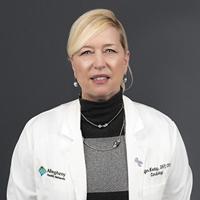
Advanced Heart Failure

Cardiovascular Disease
Hematology and oncology specialists
Nephrologist
Neurologists
Palliative and supportive care team

Hospice and Palliative Medicine
Hospice and Palliative Medicine
Hospice and Palliative Medicine
Pathologist
Robert Frye, MD
Pharmacists
Dana Cohan, PharmD
Andrian Adrienne Szymkowiak, PharmD
Dietitian
Nonnie Toth, RD
Amyloidosis Program Coordinator
Alysa Pivik, BSN, RN
Knowing who to call to make the correct appointment depends on whether you have a current amyloidosis diagnosis. The AHN Amyloidosis Program offers the following appointment scheduling options for:
Those not diagnosed with amyloidosis
If you do not have a current amyloidosis diagnosis, call (412) DOCTORS 412-362-8677 to schedule an appointment with your primary care provider (PCP) to discuss your symptoms and concerns. If you do not have a PCP, you can use AHN Find Care to search for one near you.
Your PCP may refer you to a general cardiologist for more specialized care. If your PCP has already recommended you see a cardiologist, you can use AHN Find Care to choose a specialist close to home.
Those with a referral for amyloidosis treatment or looking for a second opinion
If you have been diagnosed with amyloidosis and need specialized care or want to get a second opinion about your condition or diagnosis, call our Amyloidosis Program coordinator at 412-359-4233.
What to expect at your first appointment
When you schedule an appointment with the Amyloidosis Program, our nurses will talk with you about any additional testing that you may need. If you need imaging on the day of your appointment, your doctor may have you go to radiology or echocardiology beforehand to get scans of your heart and aortic valve.
At your first appointment, your care team will:
- Thoroughly review your medical history.
- Order advanced imaging to diagnose, monitor, and determine how complex your condition is.
- Develop a personalized care plan that addresses your specific condition and personal goals.
- Discuss long-term management plans for ongoing care. This includes providing information on genetic testing, counseling, and imaging for family members, so we can track any inherited conditions carefully.
If your condition is complex or you will need surgical treatment, you'll benefit from all our specialists weighing in on your proposed treatment plan to decide the next best course of action.
At every appointment, your care team will use the most advanced technology and treatment options available, incorporating ongoing research from clinical trials and continuing education from our specialists.
The AHN Cardiovascular Research Institute is established on more than 100 years of innovation with diverse areas of focus, including research for the latest heart disease treatments and cardiac technology. Our qualified team and amyloidosis specialists take pride in using state-of-the-art devices, technology, and therapies to help revolutionize care for cardiovascular disease.
What is a clinical trial?
Clinical trials are special research opportunities that explore medical treatments, strategies, or devices to ensure they're safe and effective for human use.
Active cardiovascular clinical trials
By prioritizing research and innovation, our physicians and patients are engaged in more than 100 national and international clinical trials. Participating in these trials gives AHN patients special access to some of the newest potential treatment options for cardiovascular disease and aortic disease. Participation in clinical trials is based on meeting eligibility criteria.
To express interest in a clinical trial or to learn more about research opportunities, check out our active cardiovascular clinical trials.
Refer your patient to the AHN Amyloidosis Program
- Find an AHN cardiac amyloidosis specialist and submit an online patient referral from the doctor's profile on Find Care.
- Call 844-MD-REFER 844-637-3337 to complete a patient referral over the phone.
If you have any questions about independent physician referral, see our frequently asked questions and answers.
After referring your patient
Once your patient is receiving care from an AHN specialist, you can view their test results, see their treatment plan, follow their treatment progress, and collaborate with our team using the EpicCare® Link™ platform.
If you are new to EpicCare Link, or need to request your own EpicCare Link account, read: EpicCare Link for Patient Follow-up, for new account request forms and active account FAQs.
Releasing medical records to EpicCare Link
If you can’t access your patient's AHN test results through the EpicCare Link platform, your patient will need to complete and submit the correct AHN Medical Records Release form based on their state of residency. You can download and print this form for your patients. Use the following medical records release forms for:
EpicCare® is a registered trademark of Epic Systems Corporation and used with permission.
EpicCare® Link™ is a trademark of Epic Systems Corporation and used with permission.