

A stroke is a medical emergency that happens when blood flow to the brain is interrupted. It requires immediate care to improve recovery chances.

What is a stroke?
A stroke happens when blood flow is blocked by a clot or a blood vessel bursts, and it is a serious medical emergency. When a stroke occurs, the brain doesn’t get enough oxygen or nutrients, and brain cells can begin to die within minutes. It requires immediate treatment to reduce the risk of brain damage, long-term disability, or even death.
Warning signs of stroke
The sooner a stroke is recognized and treated, the better the chances of recovery and reducing long-term disability. The most widely recognized and easy-to-remember acronym for stroke warning signs is B.E.F.A.S.T.:
- Balance: Sudden loss of balance or trouble walking.
- Eyes: Sudden blurry vision or loss of sight in one or both eyes.
- Face drooping: One side of the face may droop or feel numb. Ask the person to smile. Is the smile uneven?
- Arm weakness: One arm may feel weak or numb. Ask the person to raise both arms. Does one arm drift downward?
- Speech difficulty: Speech may be slurred, jumbled, or hard to understand. The person may also have trouble understanding speech. Ask the person to repeat a simple sentence, like "The sky is blue." Can they do it correctly?
- Time to call emergency services: If you or someone you're with shows any of these signs, even if they seem to disappear, call 911 immediately. Make a note of the time symptoms first appeared.
Other important warning signs (that can appear alone or with B.E.F.A.S.T. signs) include sudden numbness, confusion or blurred vision.
If you suspect a stroke
If you think someone is having a stroke, call 911 immediately. Emergency medical personnel can begin treatment on the way to the hospital and notify the hospital of a potential stroke patient, allowing the stroke team to be ready for their arrival. Here are other key things to know:
- Sudden onset: Stroke symptoms usually appear suddenly and without warning.
- Don't wait: Even if symptoms are mild, like with a transient ischemic attack (TIA), or seem to resolve on their own, it's crucial to seek immediate medical attention. A TIA is a warning sign of a future, potentially more severe stroke.
- Every minute counts: For every minute a stroke goes untreated, approximately 1.9 million brain cells are lost. Rapid treatment can dramatically improve outcomes.
- Know the time: Try to remember when the symptoms first started. This information is vital for doctors to determine treatment options.
AHN Stroke Centers
AHN Stroke Centers are hospitals that are specially equipped to treat strokes and other cerebrovascular diseases that affect blood flow to the brain. Our Stroke Centers are located throughout western Pennsylvania and Erie, so you can access specialized care closer to home.
The AHN Stroke Centers offer a comprehensive, inclusive approach to the care you receive. This structure creates a multidisciplinary, coordinated team of experts who can treat and respond to your specific needs.
Our network of stroke care facilities includes Allegheny General Hospital’s Comprehensive Stroke Center, the state’s first certified stroke center. From clot-busting therapies to endovascular procedures, we have advanced treatment ready when you need it.
Why choose AHN for stroke services
When someone experiences the telltale warning signs that a stroke is in progress, AHN Stroke Centers are ready to quickly diagnose and treat all types of strokes and other cerebrovascular conditions. This includes:
- Neurocritical care: AHN neurologists and neurosurgeons are experts in treating people who have complex neurological illnesses and intensive care needs with compassion and tailored treatment plans.
- Dedicated team of experts: Your team of board-certified neurologists, neurosurgeons, and neurointerventionalists (doctors who specialize in brain conditions using minimally invasive techniques) works jointly to develop a personalized treatment plan at our Joint Commission certified primary and comprehensive stroke centers. This team effort improves your chances of recovery while minimizing neurological damage.
- Advanced imaging: We use an advanced software program called RAPID AI™* to quickly gauge blood flow to the brain. This information helps our doctors select the best treatment, resulting in a significant reduction in treatment time and minimizing damage.
Advanced stroke care at AHN Stroke Centers
For those who are experiencing a stroke, experts at AHN Stroke Centers at our hospitals throughout western Pennsylvania and Erie make fast, accurate stroke diagnoses and create personalized stroke treatment plans. We have teams of board-certified vascular neurologists, neurosurgeons, and neurointerventionalists working together to offer comprehensive care for even the most complex stroke conditions, so each patient can have the best possible outcome.
- Urgent stroke care capabilities: Our acute stroke-response team uses telestroke consultations to support physicians treating acute stroke in local community hospitals throughout western Pennsylvania. With this telemedicine technology and training, our neurologists can provide immediate assessments and treatment plans for patients with complex needs.
Quick guide for stroke
Stroke symptoms and signs
Stroke screening and diagnosis
Types of stroke
Stroke treatment
Stroke FAQs
Contact us
Stroke symptoms and signs
According to Stroke.org, strokes are the fourth-leading cause of death in the United States and the leading cause of long-term disability.* Knowing the five signs of a stroke in progress can help you take immediate action to save a life, minimize damage, and maximize the chance of recovery.
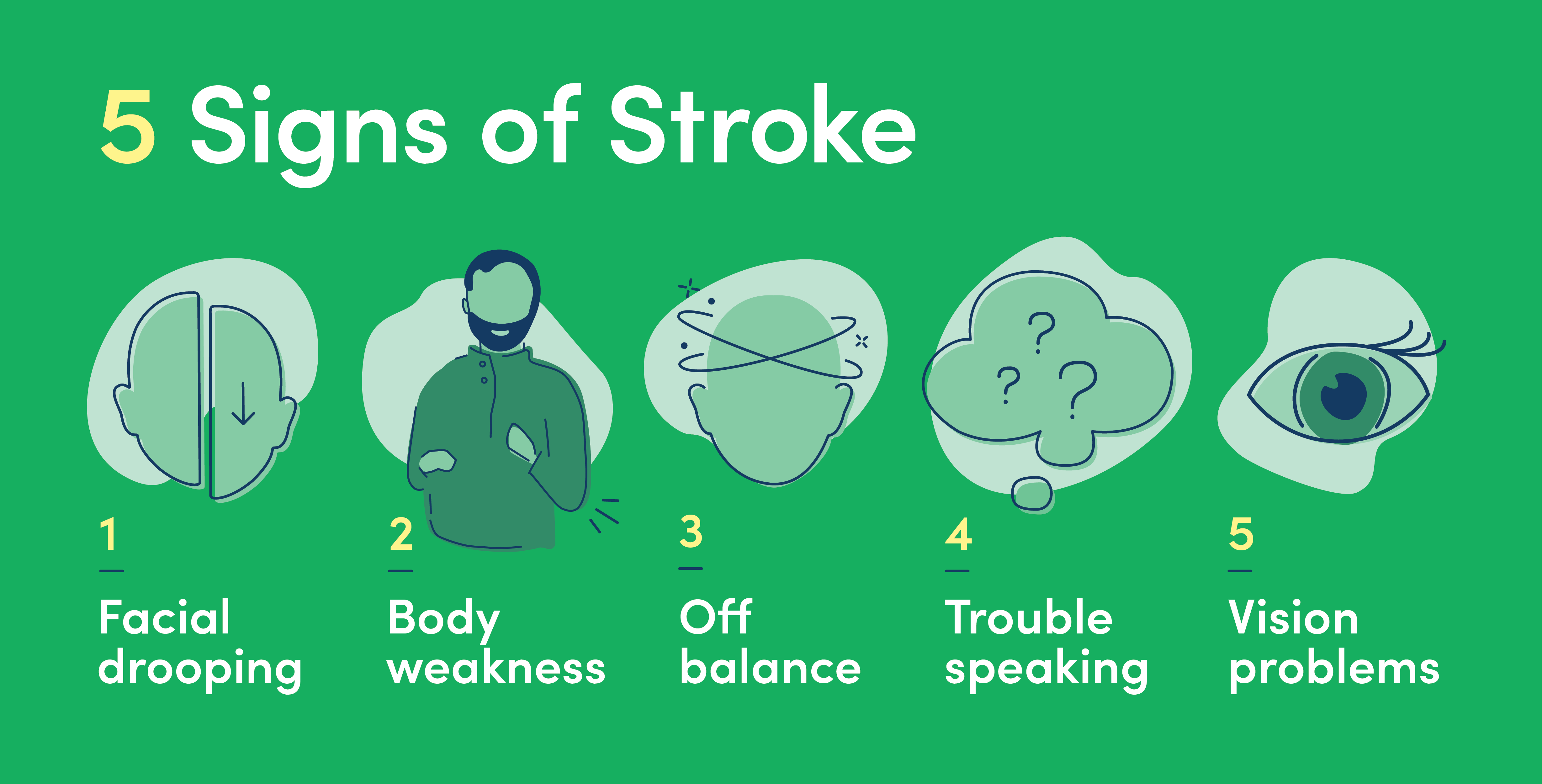
If you see any of these sudden stroke signs, call 911 immediately or go to the nearest emergency room:
- Facial weakness or drooping
- Arm, face, or leg weakness, especially on one side of the body
- Difficulty balancing, dizziness or vertigo
- Speech difficulties like confused or slurred speech, complete speech loss (aphasia)
- Changes in eyesight or vision problems (blurry or double vision)
Those assigned female at birth often experience different stroke symptoms. Knowing the difference can help identify symptoms sooner and can help improve health outcomes. The different symptoms include:
- Loss of consciousness or fainting
- General weakness or shortness of breath
- Sudden behavioral change or hallucination
- Nausea or vomiting
- Seizures or hiccups
Causes and risk factors
Even though strokes are a leading cause of death in the United States and the leading cause of long-term disability, many strokes can be prevented by making lifestyle changes and managing chronic health conditions. By taking some simple steps like knowing what your stroke risk factors are and making healthier choices in your everyday life, you can help prevent a stroke from occurring.
It is a common misconception that strokes only occur in people of advanced age. Strokes can affect anyone. They happen because of a health condition you have or has yet to be diagnosed. These conditions and lifestyle choices often include:
- High blood pressure
- High cholesterol
- Obesity
- Diabetes
- Smoking
- Lack of exercise
These health conditions can evolve over time leading to increased risk for stroke. Regular checkups, closely monitoring any changes in your health, and talking with your doctor about any health updates or concerns is key in reducing the risk of stroke. Work with your primary care team for how you can reduce your risk of stroke.
Stroke screening primarily focuses on identifying individuals at high risk for stroke before they experience symptoms by reviewing:
- Medical history: Previous transient ischemic attacks (TIAs), heart disease, diabetes, high blood pressure, and high cholesterol.
- Family history: A strong family history of stroke, heart disease, or blood clotting disorders.
- Lifestyle: Smoking, obesity, physical inactivity, unhealthy diet, excessive alcohol use.
- Current health: A physical exam is done to measure blood pressure, listen to the heart for irregularities (like atrial fibrillation), and sometimes listening to the carotid arteries in the neck for bruits (whooshing sounds indicating turbulent blood flow due to narrowing).
Stroke screening and diagnosis
If you suspect you are having a stroke, an emergency room visit is required. When you arrive at the hospital, doctors will work fast to examine you, run tests, and use advanced imaging to make a diagnosis. They’ll determine the type of stroke you’re having, and start treating the stroke as quickly as possible. Regardless of how severe or complex a stroke may be, AHN Stroke Centers have the expertise and technology to offer some of the most advanced, comprehensive treatments available.
When a stroke is suspected
Once a stroke is suspected (often based on sudden neurological symptoms), the diagnosis process occurs swiftly and focuses on speed and accuracy. It's critical to recognize stroke symptoms when they occur to ensure and to get immediate medical attention.
It is crucial to make an accurate stroke diagnosis so patients can start specialized stroke treatments as soon as possible. A stroke can be diagnosed by:
- Physical exam and blood tests
- Computerized tomography (CT) scan
- Magnetic resonance imaging (MRI)
- Ultrasound of the neck
- Echocardiogram
Diagnosis using RAPID Ai® technology
AHN Stroke Centers use RAPID Ai® technology to help our team of specialists determine the type of stroke that occurred and create an individualized stroke treatment plan fast.
- Rapidly process CT scans that show how blood is flowing in the brain.
- Identify what areas of the brain are damaged and what areas are still healthy and viable.
- Extend the treatment window for minimally invasive endovascular therapy — from 6 hours to 24 hours — before more invasive surgical procedures become the only option.
The diagnostic process for stroke is a race against time, as every minute counts for brain tissue. The goal is to accurately identify the stroke type and cause quickly to enable the most effective treatment.
Types of stroke
Strokes can occur in different ways. There are three main types of stroke, and they are identified by how they are caused. The different types of stroke include:
- Ischemic stroke: This stroke occurs when a blood clot blocks a blood vessel that supplies blood to the brain.
- Hemorrhagic stroke: This life-threatening stroke is the result of a ruptured or leaking blood vessel in the brain. Bleeding within the brain tissue itself is called intracerebral hemorrhage and can be due to a head injury or high blood pressure. Bleeding into the space around the brain, called subarachnoid hemorrhage, can be caused by a head injury or an aneurysm.
- Transient ischemic attack (TIA): This happens when blood doesn’t flow to the brain for a short period of time. Sometimes people refer to it as a mini stroke because symptoms may go away quickly, but TIA can lead to a greater risk of a major stroke later on.
Stroke treatment
AHN Stroke Centers focus on treating strokes using the most-advanced options. AHN stroke treatments include:
- Intravenous (IV) medication: For patients who reach the hospital within 4.5 hours after their first stroke symptoms, we can use clot buster medication to help dissolve blood clots and reduce the risk of disability from a stroke.
- Endovascular therapy: This advanced, minimally invasive stroke treatment uses a very thin tube called a microcatheter that’s inserted through an artery in the arm or groin to remove or dissolve a blood clot in the brain. It’s only effective if used within the first 24 hours after the onset of a stroke.
- Surgical procedures: Our vascular neurologists and neurointerventionalists are experienced in using advanced surgical techniques that repair blood vessel problems that cause strokes — restoring blood flow or controlling bleeding — and reduce pressure in the brain after a stroke.
AHN stroke rehabilitation therapy
Once the stroke has been treated, physical and/or occupational therapy can help you or your loved one regain function and return to an independent life. AHN Therapy Services offers comprehensive stroke rehabilitation services at convenient locations throughout western Pennsylvania. The doctor will make any necessary referrals if therapy is an option during recovery.
Vivistim® therapy for stroke treatment
AHN physicians are also on the forefront of advanced treatments like Vivistim® to help patients following a stroke. Vivistim, or Vagus Nerve Stimulation (VNS), is used to restore upper limb function. The vagus nerve acts as a major communication highway between your brain and most of your internal organs. Vivistim® is an FDA-approved device that gently stimulates the vagus nerve to help stroke survivors improve their arm and hand movement.
In a same-day outpatient procedure, the Vivistim device is implanted into the chest. This technique has many benefits that can include:
- Boosting brain activity: These signals go directly to the part of your brain that controls how you move your arms and hands. Think of it as giving that part of your brain a little boost or a gentle nudge to work better. This helps your brain make new connections and improve its ability to control your movements.
- Rewiring the brain (neuroplasticity): When you combine this gentle stimulation with regular physical therapy and exercises, something amazing happens in your brain called "neuroplasticity." This means your brain can rewire itself and create new pathways. It's like your brain is learning a new way to move, almost like a GPS finding a new route. This helps you relearn and regain control over your affected arm and hand.
- Better results, faster: Research has shown that using the Vivistim device alongside traditional rehabilitation helps stroke patients get back at least twice as much movement and dexterity in their hand and arm compared to just doing rehabilitation alone. It's a powerful tool to help you recover more effectively.
Advanced stroke care at AHN Stroke Centers
For those who are experiencing a stroke, experts at AHN Stroke Centers at our hospitals throughout western Pennsylvania and Erie make fast, accurate stroke diagnoses and create personalized stroke treatment plans. We have teams of board-certified vascular neurologists, neurosurgeons, and neurointerventionalists working together to offer comprehensive care for even the most complex stroke conditions, so each patient can have the best possible outcome.
Stroke FAQs
Being at risk of stroke or having a family history of stroke can raise concerns. That’s completely understandable, and AHN is here to help. By understanding your risks, your overall health, and the signs to watch for, you can know when to get care sooner, helping improve your chances of healthier outcomes.
Can you prevent a stroke?
Stroke affects people of all ages and ethnicities. It often starts with health conditions you might already have and not even know about. The biggest health conditions that can cause a stroke include:
- High blood pressure
- High cholesterol
- Obesity
- Diabetes
- Smoking
- Lack of exercise
These risk factors can quietly build up over time. That’s why it’s so important to get regular checkups and monitor your health over time, noting any changes to your health care provider.
Routine visits with your primary care provider (PCP) can help catch problems early and manage any conditions that may increase your stroke risk. They’ll work with you to create a personalized plan to keep your health on track. Things you may talk to your PCP about include:
- Ways to lower your high blood pressure
- Treatment options to lower high cholesterol
- Working with an AHN dietitian to improve your diet and getting weight loss support and care from your comprehensive care team
- Managing your diabetes
- How to quit smoking
You don’t have to completely overhaul your life to reduce your risk. Start with a few simple changes like:
- Choose healthier meals and snacks
- Move your body every day
- Quit smoking or vaping
- Limit alcohol
- Work toward a healthy weight
What causes a stroke?
Strokes can happen when there is an interruption or reduction in blood supply to the brain, primarily because of issues with blood vessels or blood flowing through them. This is often caused by underlying issues including:
- Atherosclerosis: This is a condition where atherosclerosis plaque (a fatty, waxy substance) builds up inside the walls of your arteries, including those leading to your brain. This plaque narrows the arteries, making them less flexible and eventually restricting blood flow. Pieces of plaque can also break off and form clots. This is the most common cause of stroke.
- Blood clots (Thrombi): These can form directly in an artery already narrowed by atherosclerosis in the brain or neck.
- Emboli: These are blood clots or other debris (like pieces of plaque, fat globules, or even air bubbles) that form elsewhere in the body (often the heart, especially with conditions like atrial fibrillation) and travel through the bloodstream until they get stuck in a smaller artery in the brain, blocking it.
- Inflammation of blood vessels (Vasculitis): Conditions that cause inflammation of the blood vessels can narrow them or make them more prone to clotting.
- Genetic or congenital abnormalities: Less commonly, certain inherited conditions or abnormalities present from birth can affect blood vessel structure and lead to blockages.
- High blood pressure (Hypertension): This is the leading cause of hemorrhagic strokes. Uncontrolled high blood pressure can weaken the walls of blood vessels over time, making them more likely to rupture.
- Aneurysms: These are balloon-like bulges in the wall of a blood vessel. They develop due to weak spots in the vessel wall, often exacerbated by high blood pressure. If an aneurysm ruptures, it causes bleeding.
What does a stroke feel like?
Most strokes aren’t painful, because the brain doesn’t have pain receptors. There are, however, instances where severe headache can occur with a stroke. A stroke is often first noticed when the specific neurological symptoms are seen. The key is recognizing these sudden symptoms, which often appear without warning. The most common and easily remembered way to identify potential stroke symptoms is by using the acronym B.E.F.A.S.T.:
- B - Balance: Sudden loss of balance or trouble walking.
- E - Eyes: Sudden blurry vision or loss of sight in one or both eyes.
- F - Face drooping: One side of the face droops or is numb. Ask the person to smile. Is their smile uneven?
- A - Arm weakness: One arm is weak or numb. Ask the person to raise both arms. Does one arm drift downward?
- S - Speech difficulty: Speech is slurred, confused, or the person is unable to speak. Ask the person to repeat a simple sentence. Is their speech slurred or strange?
- T - Time to call 911: If someone shows any of these symptoms, even if they go away, call emergency services immediately. Time is critical in stroke treatment.
Other sudden symptoms that can indicate a stroke include the following that happen quickly:
- Numbness or weakness in the leg, arm, or face, especially on one side of the body.
- Confusion, trouble speaking, or difficulty understanding speech.
- Trouble seeing in one or both eyes.
- Trouble walking, dizziness, loss of balance, or lack of coordination.
- Severe headache with no known cause (this is more common with hemorrhagic strokes and is often described as the "worst headache of my life").
It's crucial to understand that these symptoms are not necessarily painful themselves, though the sudden disruption can be disorienting, frightening, or cause other types of discomfort (like the severe headache). The damage is happening silently within the brain.
Recognizing these symptoms quickly is paramount because early medical attention can significantly reduce the risk of long-term disability and even save a life.
Can you have a stroke and not know it?
Yes, it is common for people to have strokes referred to as silent strokes or silent cerebral infractions. A silent stroke occurs when there's a disruption of blood flow to a small area of the brain, causing damage, but it happens in a part of the brain that doesn't control vital functions like speech, movement, or sensation in a way that produces noticeable symptoms.
People can also experience transient ischemic attacks (TIAs) that can go unnoticed. Sometimes, people experience TIA symptoms (like temporary weakness or slurred speech) that are so mild or fleeting that they dismiss them as fatigue, stress, or something else. They resolve quickly, so the person doesn't seek medical attention and may not even connect it to a potential brain event.
It's important to remember that even if TIA symptoms disappear, it's a critical warning sign and warrants immediate medical evaluation.
These strokes are often discovered incidentally during an MRI or CT scan of the brain performed for other reasons (e.g., investigating headaches, dementia, or other neurological issues). The scan will show evidence of past brain tissue damage.
Contact us
Talk with a doctor about your stroke risk factors and what you can do to help prevent one. You can request an appointment with your current AHN primary care physician (PCP) or make an appointment with a new one near you by calling (412) DOCTORS 412-362-8677.
You can also use our virtual appointment options for the most convenient appointment possible. for the most convenient appointment possible.
Vivistim® is a registered trademark of MicroTransponder Inc.